





















Trending Topics

The Growing Debate Around Crypto Project Influencers
Crypto influencers can introduce projects to thousands of potential users, but their recommendations can also shape investment decisions. A project promoted by a popular creator may appear trustworthy even when the audience knows very little about its team, token supply or business model. Problems arise when promotions are paid, risks are overlooked or creators fail to disclose their financial interests. Clear disclosures can help audiences distinguish advertising from independent opinions, but they don’t automatically make a project reliable. As crypto marketing continues to grow, should influencers face stricter expectations when promoting tokens to their followers?
Creators and Freelancers Are Exploring Crypto Payments
The creator and freelance economies are increasingly global, and receiving payments from international audiences or clients can involve currency conversions, transfer fees and delays. Crypto, particularly stablecoins, offers another potential payment option. A creator could accept payments from subscribers or supporters, while a freelancer working with an overseas client could receive a stablecoin and convert it into local currency when needed. Platforms such as X have also explored creator monetisation through subscriptions and Cashtag-related payment initiatives, showing how social platforms are increasingly connecting content and payments. However, creators and freelancers still need to consider taxes, regulations and conversion costs. Could crypto become a normal payment option for people earning money online?

Can Blockchain Change How Creators Get Paid?
Artists, musicians, writers, and other creators often depend on platforms that take a percentage of their earnings or control how their content reaches audiences. Blockchain-based platforms can enable direct payments, digital ownership, and automated royalty distribution between creators and their audiences. The model could give creators more control, but attracting users away from established platforms remains difficult. Could blockchain eventually change the economics of the creator industry?
Can Crypto Make Micropayments Practical?
Traditional payment systems aren’t always designed for extremely small transactions, particularly across borders. Blockchain networks and stablecoins could potentially enable low-value payments for digital content, gaming, online services, or creator platforms without relying on traditional intermediaries. The technology could make sending tiny amounts of money more practical, but transaction fees, regulation, and user experience remain important challenges. Could micropayments become an overlooked use case for crypto?
X Premium vs free version in India
X Premium offers features like fewer ads, a verification badge, longer posts, and access to additional creator tools. For Indian users, do you think the benefits justify paying for X Premium, or is the free version of X still good enough for everyday use?
Does the Galaxy S26 Plus have enough performance for video editing and creators?
Does the Galaxy S26 Plus pack enough raw horsepower for heavy-duty video editing and creator workflows?

AI influencers on social media platforms are very annoying.
The line between creator and creation is getting blurred. It’s difficult to distinguish between the real influencer and an AI one. Now we get instant replies and chats. Isn’t this annoying? Don’t you think it’s more of a manipulation over innovation?

Which laptop currently offers the best display for creators?
To boost my productivity and creativity, I am looking forward to a super-sharp screen on a laptop. I am a full-time creator, and my budget is limited to 30k- 60k. I am considering HP Pavilion. Are there any other suggestions on the laptops that can come under this bracket?

Galaxy S26 Ultra at Rs. 1.4L Real Innovation or Peak Flagship Pricing for India?
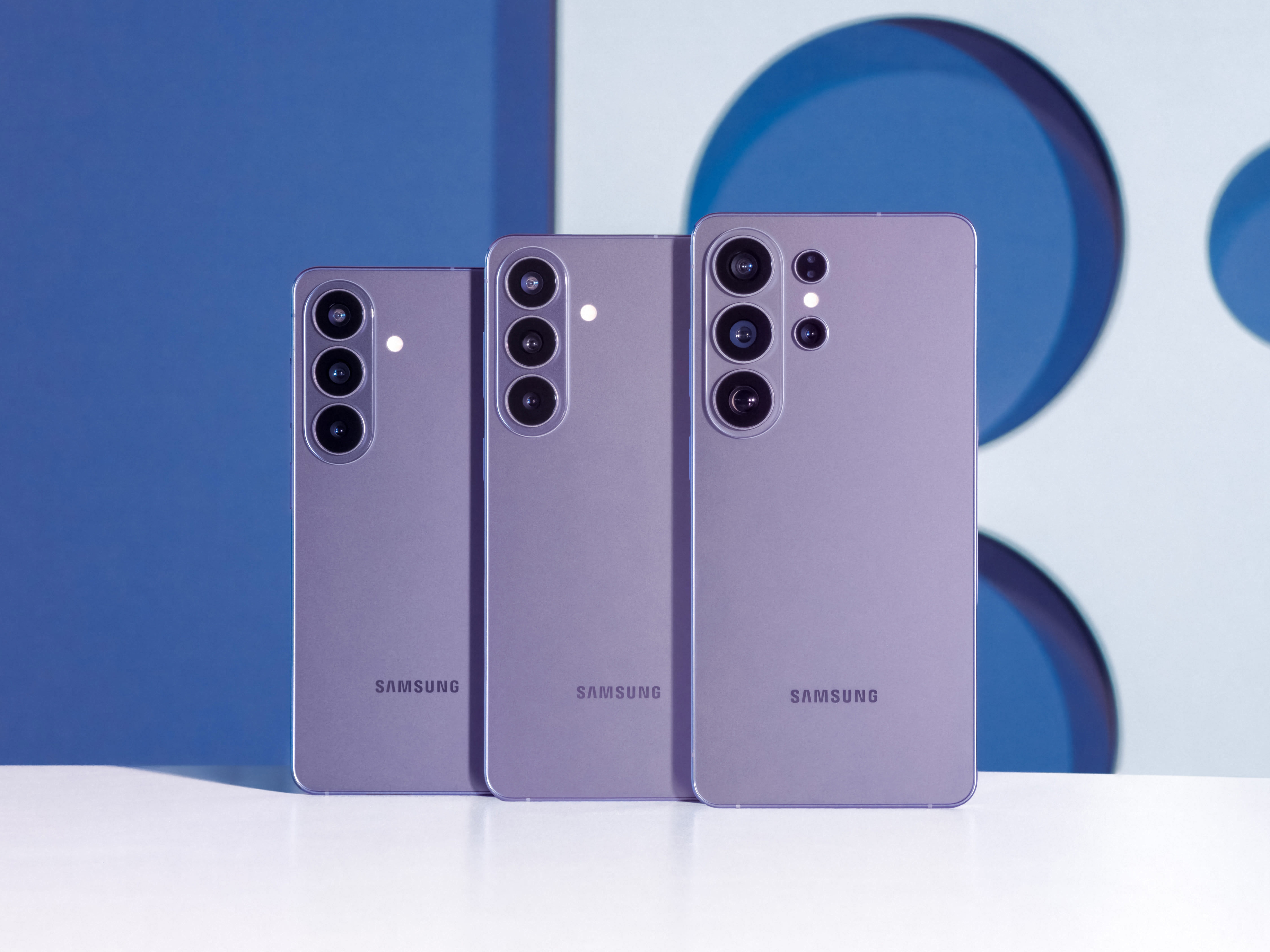
The Galaxy S26 Ultra starts at Rs. 1,39,999 in India and climbs to Rs. 1,89,999 for the highest variant, a price point that demands justification. Samsung is leaning hard on AI features and hardware upgrades to make that case, and there's genuinely interesting stuff here: a built-in Privacy Display, the multi-agent Galaxy AI setup, a serious camera system, and a new APV video codec for sharper footage. On paper, it's a strong package.
But Indian buyers are pragmatic. With bank offers, exchange deals, and upgrade cycles stretching past two years, the real test isn't what the spec sheet says, it's whether any of this changes how you actually use your phone day to day. Increasingly, the Ultra feels like it's chasing a specific kind of user: the creator, the power user, the tech enthusiast. For everyone else paying flagship money, the calculus is getting harder to square.