






















Trending Topics

How Much Trust Should We Put in AI Agents Trading Crypto?
AI agents are increasingly capable of analysing market data, identifying patterns and potentially executing trades automatically. That creates an interesting possibility for crypto traders who want systems that can operate around the clock without constantly monitoring charts. But handing an AI agent control over real funds introduces a completely different level of risk. Markets can behave unpredictably, models can interpret information incorrectly and automated systems can potentially make mistakes much faster than humans. The question isn't simply whether AI can make good trades, but whether users are comfortable giving an autonomous system permission to make financial decisions. Would you trust an AI agent with your crypto portfolio?
Is the Crypto Industry Ready to Let AI Agents Handle Trades?
Artificial intelligence is quickly becoming a part of the crypto ecosystem, with AI-powered agents now capable of analysing market data, identifying trends, and even executing trades automatically. Supporters believe AI can react faster to market movements as compared to humans. Critics, however, argue that crypto markets remain highly unpredictable, and relying too heavily on AI could introduce new risks, especially when it comes to trading that sometimes require instincts more than anything else.

Google Releases New AI Agents to Challenge OpenAI and Anthropic
Google is putting new AI agents and challenging OpenAI and Anthropic. How is it going to improve productivity at the workspace?

Are you ready for AI Agents to handle your travel bookings?
With the rise of autonomous agents in 2026, you can just tell your phone to book a trip to Goa within 20k. Would you trust an AI to pick your hotel and flights without checking them yourself?

Are AI agents replacing apps?
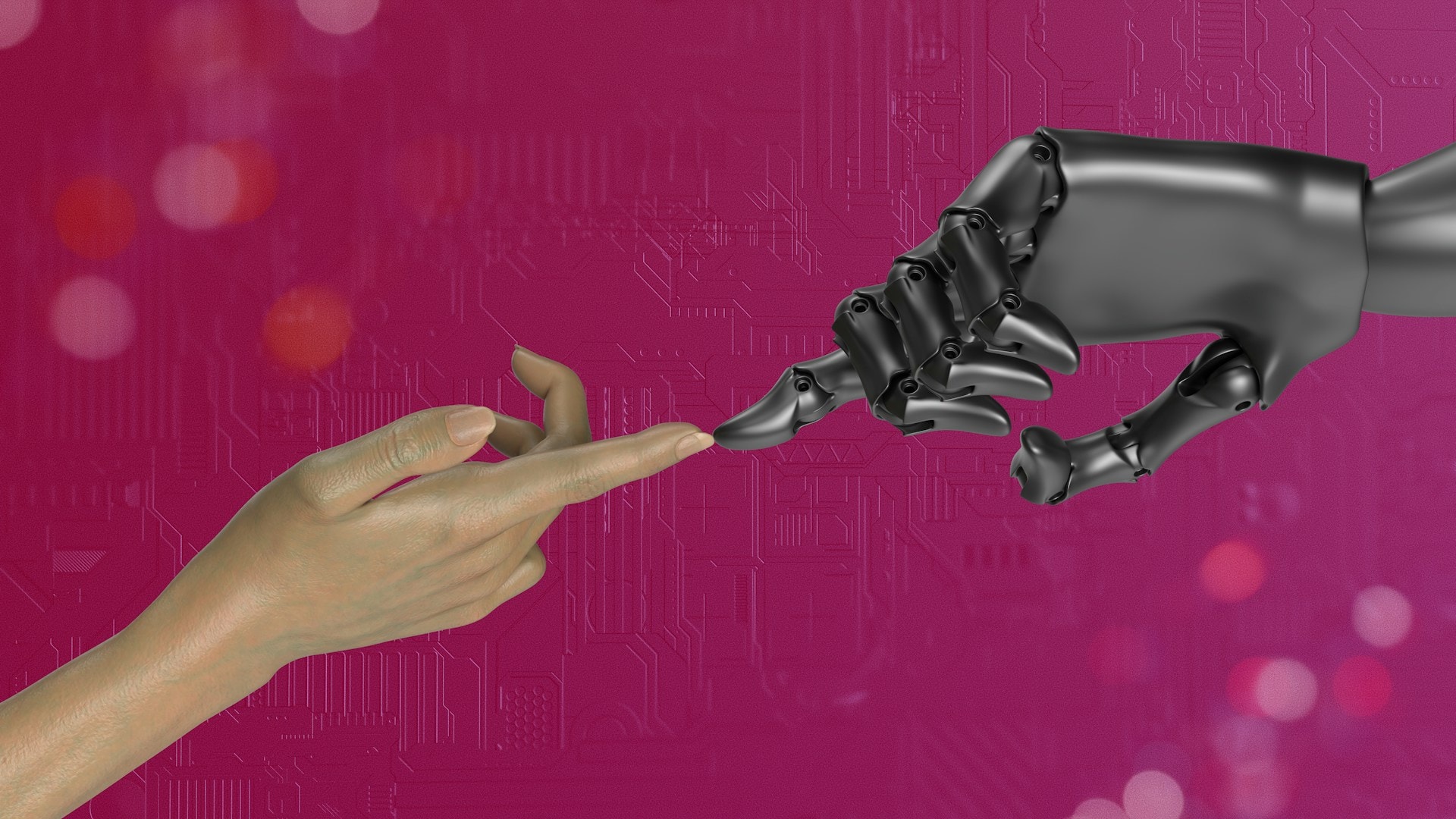
For years, solving a simple problem meant downloading another app, creating another account, and inevitably forgetting another password. That cycle is starting to break. AI agents are stepping in as a kind of universal coordinator, they move across tools, make small decisions, and get things done without requiring you to context-switch every five minutes. This doesn't mean apps are going away. But their role is shifting. What was once the front door of a digital experience might quietly become the back end, the plumbing that agents tap into while keeping users out of the weeds. The companies building apps today face a question worth taking seriously: are they designing for people, or are they designing something an agent can work with just as well? Because in a world where the agent handles the interface, the app that survives won't necessarily be the prettiest or the most intuitive. It'll be the one that's most useful to something that never gets tired, never loses track, and never needs the onboarding tour.

AI Is Changing Crypto Faster Than We Expected
Artificial intelligence is no longer limited to trading bots. Today, AI is being used for smart contract audits, fraud detection, portfolio management, blockchain analytics, and even autonomous on-chain agents. While supporters believe AI could make crypto safer and more accessible, others worry it could increase centralisation and create new security risks. As AI becomes more deeply integrated into blockchain, will it accelerate crypto adoption or introduce more challenges than solutions?

AI to Complete UPI Payments Without Your Approval
TIL Pine Labs just launched P3P in India, allowing AI agents to make UPI transactions without manual MPIN authentication. Basically, instead of you having to authorise every single payment manually, you set up spending rules and let AI execute purchases.
OpenAI is planning to turn ChatGPT into a “superapp”
OpenAI is turning ChatGPT into a “superapp,” which will include coding agents and AI tools. It seems like OpenAI is building a space where people can work, create, search, plan, and execute tasks.
OpenAI is reportedly developing a new system called Hermes
Sam Altman is introducing a new system called Hermes which is specifically designed to let anyone, whether techie or not, to set up AI agents to work for them 24/7